On April 27, the Calgary Chamber hosted Alberta Next: Agribusiness, featuring a keynote and fireside chat with the Hon. RJ Sigurdson, Minister of Agriculture and Irrigation, alongside two panels of industry experts discussing trade, competitiveness and innovation in the agriculture sector.
Minister Sigurdson opened by highlighting Alberta’s strengths, noting the province’s leadership in environmental sustainability and its role as a net exporter of agricultural products, including beef and grains. He outlined key priorities such as expanding market access and resolving trade disputes, citing previous work with China to eliminate tariffs on canola and beef. He emphasized that the United States remains Alberta’s most important customer and underscored the need to ensure stability in CUSMA as its review approaches.
Further, the Minister noted that labour shortages remain a significant challenge for the sector and pointed to engaging young people and advancing workforce development as key to supporting long-term stability. The Minister concluded by noting that Alberta will host a Tri-National Accord on agriculture this fall, welcoming delegates from the United States and Mexico to strengthen trade relations.
In the fireside chat with Calgary Chamber President & CEO Deborah Yedlin, Minister Sigurdson highlighted the following:
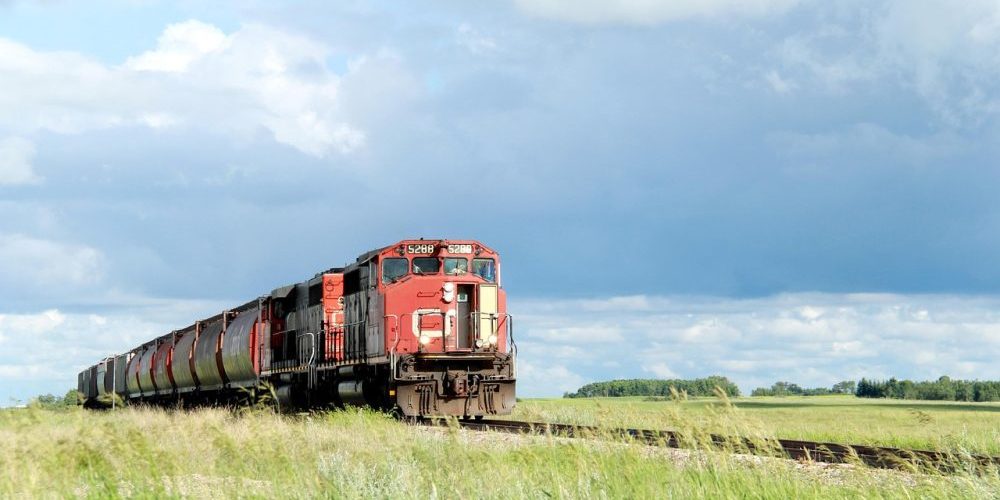
- Agriculture is central to Canada’s goal of doubling non-U.S. exports, but infrastructure constraints – particularly rail lines operating near full capacity – must be addressed.
- Although 60 per cent of agricultural products move freely across provinces, interprovincial trade barriers remain, particularly for livestock.
The first panel focused on the opportunities and challenges facing agriculture amid rising food insecurity and global trade disruptions. It discussed expanding trade with China and other Asian countries, while ensuring CUSMA remains in place to support bilateral affordability and prosperity. To ensure products can reach markets, the panel emphasized the need for increased rail and port capacity, modernization of infrastructure, and a reduction in the regulatory burden on producers to improve market access.
The panel featured:
- Cam Baker, Senior Director of Global Government and Industry Affairs at Nutrien
- Curtis Rempel, Vice President of Innovation, Production & Supply at the Canola Council of Canada
- Craig Johnston, Chief Economist at Farm Credit Canada
- Shannon Sereda, Director of Government Relations, Policy & Markets at Alberta Grains
The second panel explored the trajectory of Alberta’s agriculture sector with respect to ag-tech and labour. It highlighted major gaps, including low technology adoption driven by connectivity challenges in rural and remote areas, as well as producer hesitancy to adopt technologies that enhance efficiency and productivity amid financial constraints. The panel also discussed the labour shortages facing the sector and the need to ensure producers have access to a sufficient workforce, including through immigration and by attracting younger people into agriculture careers.
The panel featured:
- Brent Collins, Head of Seeds & Traits at BASF
- Chris Terris, SVP & President at Telus Agriculture and Consumer Goods
- Jay Steeves, Dean of the Werklund School of Agriculture Technology at Olds College
- Renate Weller, Dean & Professor at the University of Calgary Faculty of Veterinary Medicine.
The Calgary Chamber extends its thanks to our presenting sponsor, Nutrien, reception sponsor, BASF, and supporting sponsors, Alberta Grains, Bakertilly, Farm Credit Canada and Telus Agriculture & Consumer Goods, for their support of this event.