Written by Deborah Yedlin and Brad Parry for the Calgary Herald
As optimism grows in anticipation of renewed growth in Alberta’s oilpatch, there is also growing concern around the demand for labour, and whether we will be able to meet that need. After all, if the myriad projects on the table from coast to coast proceed, the draw on Canada’s labour pool will be unprecedented.
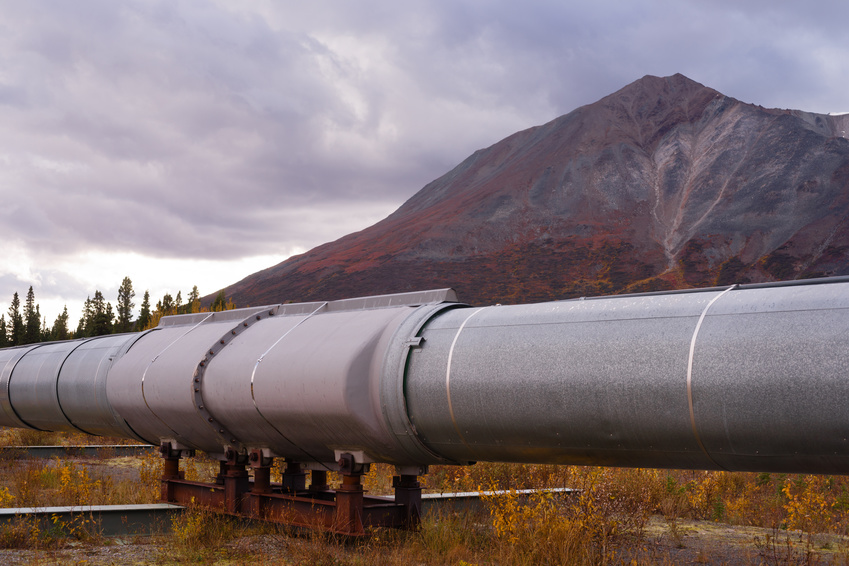
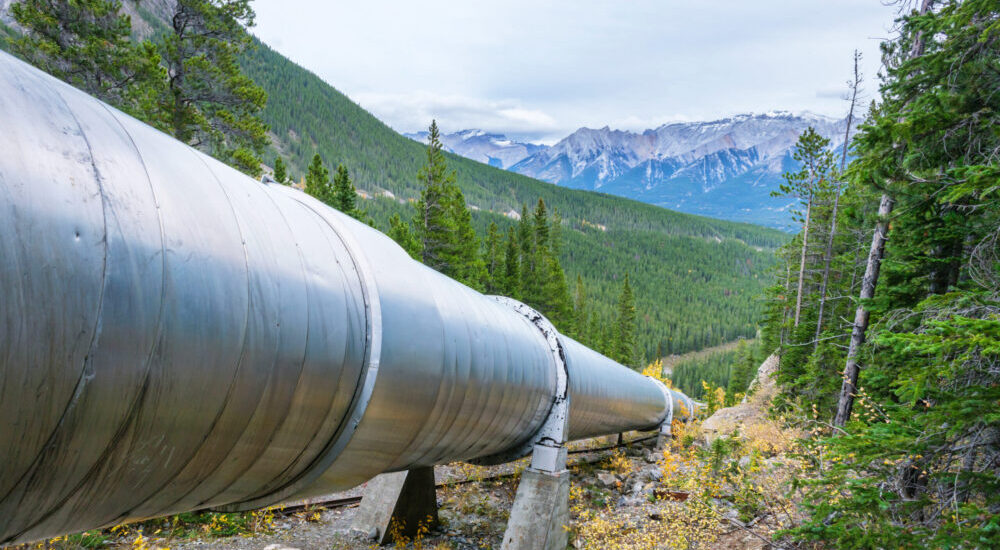
As Canada and Alberta sit on the precipice of unprecedented investment, our ability to build the projects that will bring decades of prosperity to the province and country hinges on having an adequate talent pool. From the proposed West Coast pipeline to feeding expansions of existing capacity or the goal of increasing liquefied natural gas exports to 100 million tonnes per annum by 2040, a key enabler is sufficient labour.
We can’t risk the progress made since 2014 to grow other industries that will help insulate the economy from the volatility of commodity prices.
This isn’t the first time we are staring at a labour shortage.
In 2005, as an increase in oilsands production was underway, industry leaders like the late Charlie Fischer, CEO of Nexen, warned that labour constraints would compromise our ability to reach the goal of tripling barrels produced to three million a day. The solution turned out to be more than 200,000 workers from Atlantic Canada who were key to meeting Alberta’s labour needs.
That’s unlikely to happen this time because of growing labour pressures across the country.
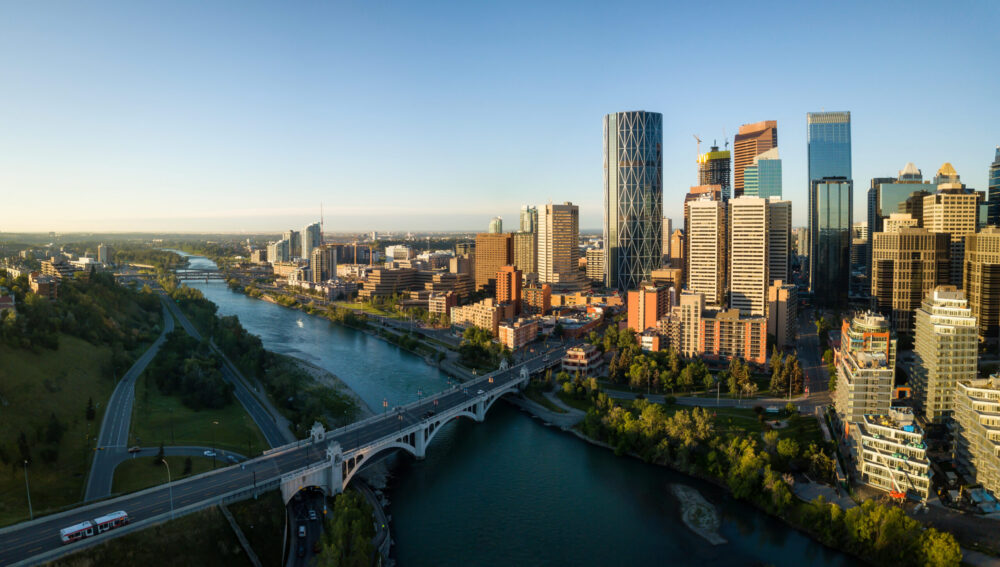
As Alberta — and Calgary — have deliberately sought to diversify the economy, the talent pool has grown, reaching more than 80,000 workers in 2025 and now representing 9.4 per cent of employment in the city and well above the 5.5 per cent average in other markets. More recently, we have seen massive growth in Calgary’s aviation sector. We also have a burgeoning film industry in Calgary, the fastest-growing tech talent hub in North America, and are positioned to be key players in supporting growth of the agriculture sector.
Having been a one-trick pony in terms of our economic engine for too long, we can’t risk the progress made since 2014 to grow other industries that will help insulate the economy from the volatility of commodity prices.
But the referendum could upend all of this.
Calgary, on a per-capita basis, has the youngest and most educated workforce in the country. However, 49 per cent of Calgarians have said they would leave if Alberta began the process to separate, with an average 45 per cent of Albertans saying the same thing. Add to this a Calgary Chamber of Commerce survey which showed 48 per cent of businesses would leave and, in turn, shrink the tax base, and it’s easy to see how quickly the Alberta Advantage evaporates.
Capital follows talent — and top talent has choices.
One need only look to Quebec — and the fallout from its two referendums, held 15 years apart. An estimated 300 companies left Montreal and as many 135,000 people migrated to other parts of Canada, so Quebec now has the oldest population in the country. That means a smaller tax base and higher demand for government services. None of this adds up to strong economic growth.
There is also the question about immigration, and whether Alberta is seen as a welcome jurisdiction. The truth is that this country — and province — have benefited greatly from people coming here. And they come with education and skills that were paid for by other governments. The statistics show 32 per cent of businesses in Canada are run by people who immigrated here, demonstrating their entrepreneurship and important contribution to job creation.
When everyone around the world is looking to attract talent, all of this matters.
And then there is the issue of investment. Alberta — largely because of the capital intensity of the energy sector — has relied on foreign investment to support the growth. On a per-capita basis, the numbers work out to $3,400 in Alberta versus an average of $1,800 across the country. You could easily make the case those numbers will go higher with the magnitude of investment on the horizon.
Like labour, capital goes to where there is certainty; uncertainty means it goes elsewhere.
Without enough labour, we won’t realize our full economic potential. The uncertainty tied to the referendum carries with it the potential to undermine the unprecedented economic opportunity we have before us.
It’s simply not worth the risk. Not for Calgarians, Albertans or Canadians.