Student Reflections
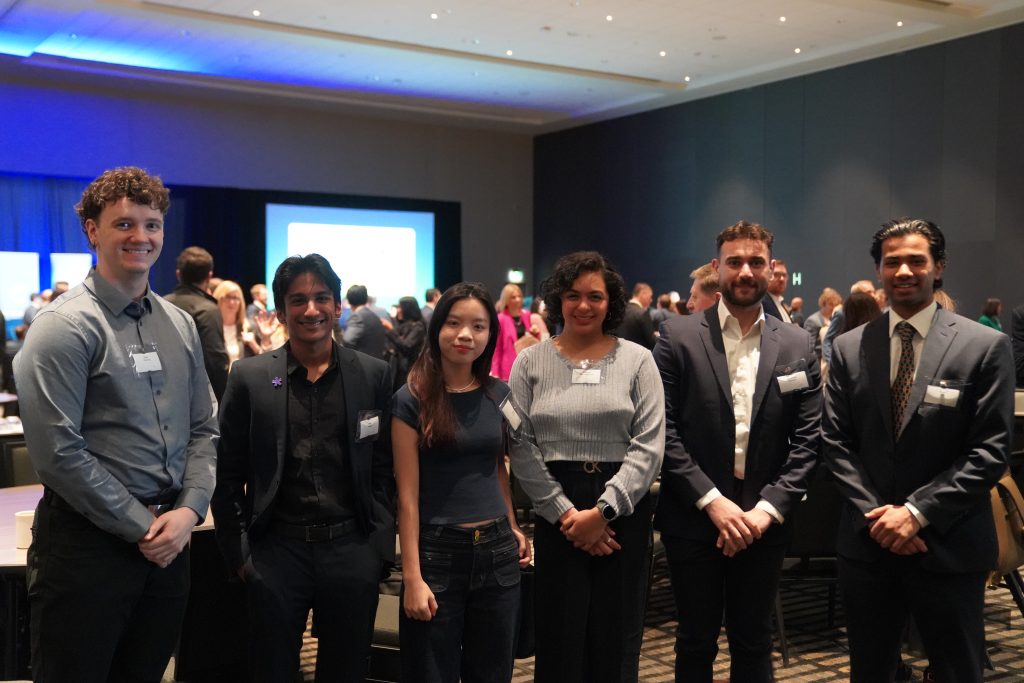
We were fortunate to have students from Mount Royal University, SAIT, Bow Valley College and the University of Calgary join us for this event. As a professional development opportunity, these students also created recaps of the various components of the day.
- Why You Should Be in the Room at the Next Alberta Next Event by Mariana Otero Becerril, MSc in Transportation Engineering, University of Calgary
- What We Learned at Alberta Next: Energy and Alberta’s Economic Future by Mohamad Hemadi, Master of Management, MSc Biochemistry, University of Calgary
- A Student’s Experience at Alberta Next: Energy by Gage Flemming, MBA Candidate, University of Illinois Urbana-Champaign
- VIDEO: Alberta Next: Energy — Event Highlights by Veer Rajgor, SAIT Students Association President, Board of Directors
- VIDEO: Alberta Next: Energy — Event Highlights by Jane Pham, Marketing & Web Specialist, Bow Valley College
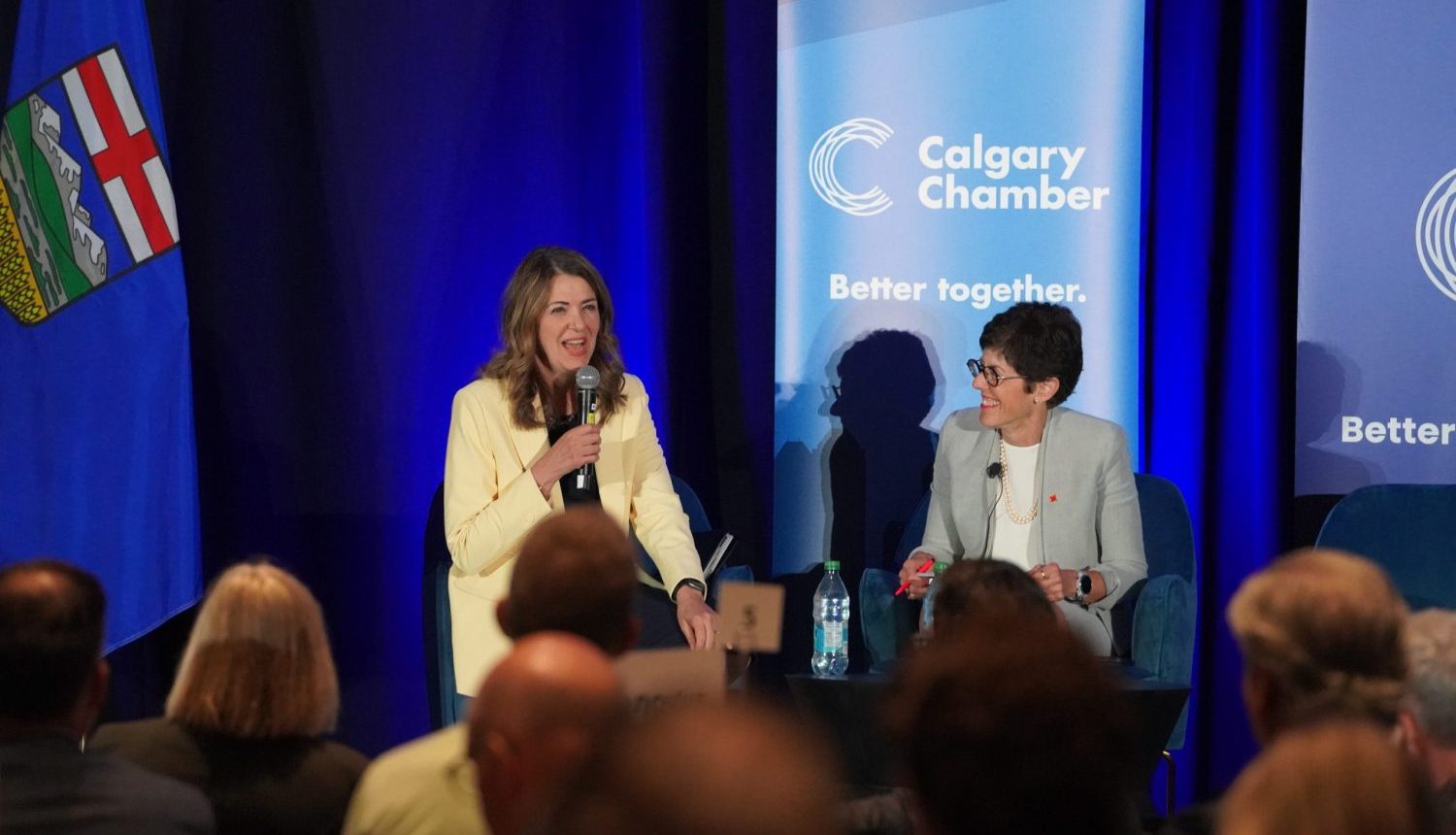
On May 21, the Calgary Chamber hosted Alberta Next: Energy, featuring a keynote and fireside chat with Premier Danielle Smith, alongside a panel of industry experts discussing the sector’s future following the signing of the Canada-Alberta MOU Implementation Agreement.
The Premier opened by highlighting Alberta’s growing potential across oil, electricity, natural gas and critical minerals. She said Alberta’s next chapter includes an even larger energy industry, with a target of producing eight million barrels per day by 2035. Premier Smith outlined her government’s efforts to advance the Canada-Alberta MOU in support of this goal, including carbon pricing, support for the Pathways carbon capture and storage project and new opportunities in electricity generation such as geothermal and nuclear energy. She added that her current priority is advancing a pipeline to the west coast, alongside opportunities to increase exports to the United States.
Referring to global oil demand and the closure of the Strait of Hormuz as a “crisis of availability,” and noted that countries are looking to diversify energy supply sources – a role Alberta could help fill.
In a fireside chat with Calgary Chamber President & CEO Deborah Yedlin, Premier Smith highlighted the following:
She welcomed the federal government’s approach over the past year and is open to working with B.C. Premier David Eby to support pipeline development, provincial interties and increase LNG exports.
She expressed a preference for a northern pipeline route to the west coast, saying a deepwater port would improve shipping efficiency.
She emphasized that First Nations communities are integral to pipeline development through procurement, marine development, construction and geographic planning. She noted that Alberta has shifted from a community-benefits model to one focused on equity ownership for First Nations communities, which she said has proven more effective.
Following the keynote and fireside chat, the panel discussion focused on the path forward for the MOU, with panelists emphasizing the need to remain competitive globally. While Alberta’s regulatory environment has improved over the past year, they noted Canadian companies continue to compete internationally on costs and economics. The panel also stressed the importance of building relationships with British Columbia and consulting with First Nations communities across both provinces to support pipeline development. Overall, panelists agreed the opportunity for Canada is significant, but success depends on production growth driven by capital investment.
The panel featured:
- Kendall Dilling, President of Oil Sands Alliance.
- Steven Kroeker, Chief Investment Officer at Alberta Indigenous Opportunities Corporation
- Nick McKenna, President of ConocoPhillips Canada
- Jennifer Pierce, Chief Administrative Officer at Trans Mountain
The Calgary Chamber extends its gratitude to our presenting sponsor, Cenovus, thanking sponsor, Signal Hill, and supporting sponsors, ATCO, Beacon Data Centers, Canadian Natural, ConocoPhillips Canada, Oil Sands Alliance and Trans Mountain.